State Solar Rebates: How Incentives Lower the Cost of Going Solar
State Solar Rebates: How Incentives Lower the Cost of Going Solar
Solar energy adoption continues to grow across the U.S., and one of the biggest drivers behind that growth is financial incentives. State solar rebates and tax credits help homeowners and businesses reduce upfront costs, shorten payback periods, and improve long-term savings. However, these programs vary widely by location, and misunderstanding how they work can mean leaving money on the table.
Unlike national incentives, which apply broadly, state-level solar programs are shaped by local energy goals, utility structures, and policy priorities. Some states offer generous tax credits, others provide performance-based incentives, and many combine multiple programs to encourage adoption. Knowing what your state offers, and how those incentives interact with federal credits, is essential for making a smart solar investment.
This guide explains how state solar rebates work, highlights solar power incentives by state, and shows how homeowners can maximize total savings by planning ahead.
How State Solar Rebates Work
State solar rebates are financial incentives designed to lower the net cost of installing solar energy systems. While the term “rebate” is often used loosely, most state programs fall into a few main categories:
- State income tax credits
- Performance-based incentives
- Utility-administered rebates
- Property or sales tax exemptions
These incentives are typically applied after installation and require proper documentation. In many cases, systems must be installed by licensed contractors using approved equipment.
Because rules differ from state to state, it’s important to confirm eligibility requirements before installation begins.
States With the Strongest Solar Incentives
Some states consistently rank among the best states for solar incentives due to a combination of tax credits, net metering policies, and additional rebates.
California Solar Incentives
California remains one of the most solar-friendly states in the country. While direct cash rebates have declined, homeowners still benefit from:
- The solar tax credit California residents can claim at the federal level
- Net billing programs that reward solar production
- Property tax exclusions for solar installations
For many homeowners, California rebates for solar panels effectively come through tax savings and long-term utility bill reductions rather than upfront checks.
New Jersey Solar Incentives 2025
New Jersey continues to offer strong support for solar adoption. The state’s Successor Solar Incentive (SuSI) program provides performance-based incentives tied to energy production. Combined with federal credits, New Jersey solar incentives 2025 remain among the most attractive in the Northeast.
Illinois Solar Tax Credit Programs
Illinois offers a robust incentive structure that includes adjustable block programs and solar renewable energy credits. The Illinois solar tax credit approach rewards systems based on production, making long-term performance especially valuable.
Connecticut Solar Power Incentives
Connecticut provides a mix of rebates and performance incentives through state and utility programs. Connecticut solar power incentives are often paired with financing options that reduce upfront costs for homeowners.
Solar Rebates in Florida
Florida does not offer a state income tax credit, but solar rebates Florida homeowners rely on often come from property tax exemptions, sales tax exemptions, and utility-level programs. Combined with abundant sunshine, these benefits still make solar attractive.
Veterans Solar Incentives
In addition to state programs, some utilities and local governments offer veterans solar incentives or financing assistance. These programs vary by location and are often designed to support energy independence for veterans and active-duty service members.
How State Incentives Work With Federal Solar Credits
One of the most important aspects of state solar rebates is how they stack with federal incentives. Most homeowners can claim the federal solar investment tax credit, which reduces federal tax liability based on system cost.
When combined, homeowners may benefit from:
- Federal tax credits
- State solar rebates or tax credits
- Utility bill savings over time
This layered approach can significantly reduce the effective cost of solar, especially in high-electricity-cost states.
Hawaii as a State Solar Incentive Leader
Hawaii offers one of the strongest examples of how state incentives can accelerate adoption. The state’s Renewable Energy Technologies Income Tax Credit allows homeowners to claim a significant portion of system costs against state taxes. When paired with federal credits, this creates substantial savings.
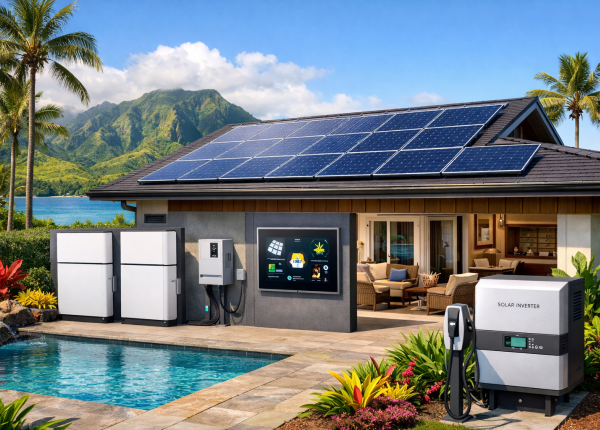
Many Hawaii homeowners pair incentives with advanced systems such as photovoltaic installations and PV storage solutions to maximize value and resilience.
Eligibility Requirements You Should Know
Across states, most solar incentive programs share common requirements:
- Installation by a licensed contractor
- Use of approved equipment
- System activation within qualifying timeframes
- Proper documentation and tax filing
Missing deadlines or using non-compliant installers can reduce or eliminate incentives entirely.
Battery Storage and State Solar Rebates
Many states now extend incentives to battery storage when installed with solar. These programs reflect the growing importance of resilience and self-consumption.
Benefits of solar-plus-storage incentives include:
- Backup power during outages
- Increased use of solar-generated energy
- Reduced reliance on the grid
As energy policies evolve, storage incentives are becoming a key part of state solar programs.
Common Mistakes That Reduce Rebate Value
Homeowners often miss out on savings due to:
- Relying on outdated incentive information
- Not planning incentives during system design
- Using installers unfamiliar with state programs
- Missing tax filing deadlines
Planning incentives from the start helps avoid these issues.
What State Solar Rebates Mean for Homeowners
For homeowners, state solar rebates can be the difference between a long payback period and a highly cost-effective investment. When combined with rising utility rates and improving solar technology, incentives make solar more accessible than ever.
Solar also integrates well with other efficiency upgrades, such as energy-efficient air conditioning, solar water heating, and electric vehicle charging, further increasing household savings.
Planning Ahead Maximizes Savings
Understanding state solar rebates before installation allows homeowners to design systems that qualify for maximum incentives. This includes equipment selection, system size, and timing.
Avoiding common pitfalls, such as those outlined in this guide on DIY solar panels in Hawaii, can also protect long-term savings.
Conclusion
State solar rebates play a critical role in making solar energy affordable across the U.S. While programs vary by location, understanding how incentives work, and how they combine with federal credits, allows homeowners to make informed decisions.
From California and New Jersey to Illinois, Connecticut, Florida, and Hawaii, solar incentives continue to evolve. The key is working with knowledgeable professionals who understand both technology and policy.
Alternate Energy Hawaii helps homeowners navigate state solar rebates, design compliant systems, and capture every available incentive while delivering long-term energy value.
State Solar Rebates FAQs
What are state solar rebates?
They are state-level financial incentives, such as tax credits or performance payments, that reduce the cost of installing solar systems.
Can state solar rebates be combined with federal credits?
Yes. Most state incentives can be stacked with federal solar tax credits.
Which states offer the best solar incentives?
States like California, New Jersey, Illinois, Connecticut, and Hawaii consistently rank among the best for solar incentives.
Do battery systems qualify for state rebates?
In many states, batteries qualify when installed with solar, depending on program rules.
Should I use a local installer for incentives?
Yes. Local installers understand state-specific requirements and help ensure your system qualifies for all available rebates.
Latest From the Blog
-
 Hawaii Solar
 -
 Hawaii Solar