Hydrogen Energy and Solar Integration
Why Hydrogen and Solar Are Being Paired for the Future of Clean Energy
Solar power has reshaped how we generate electricity, but even the most advanced solar systems face a familiar challenge: energy production stops when the sun goes down. This limitation has pushed innovation beyond batteries alone and toward hydrogen solar solutions that can store clean energy for far longer periods.
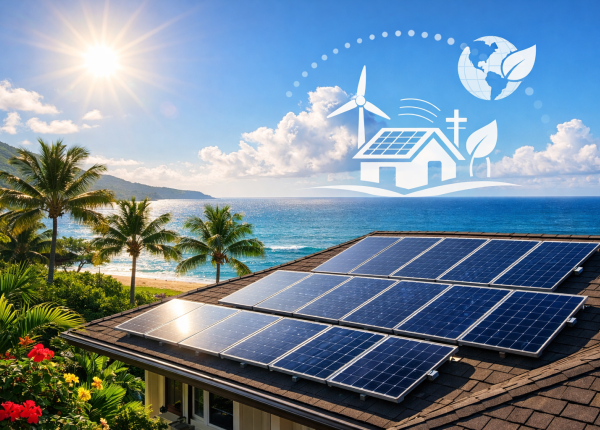
Hydrogen solar integration allows excess daytime solar electricity to be converted into hydrogen fuel, stored, and later used to generate power when solar production is low. The result is a flexible, zero-emission energy system that strengthens reliability and resilience.
In Hawaii, where energy independence, grid stability, and sustainability are critical, solar hydrogen systems are gaining attention as a long-term complement to traditional solar and battery storage. This article explains how hydrogen and solar work together, why the pairing matters, and what it means for the future of clean energy.
Understanding Hydrogen Energy in a Solar-Powered System
Hydrogen is an energy carrier, meaning it stores energy rather than producing it directly. When hydrogen is created using renewable electricity, such as solar power, it’s known as solar green hydrogen.
The process involves using electricity to split water into hydrogen and oxygen through electrolysis. The hydrogen is then captured and stored as clean fuel that can later be converted back into electricity or used directly for power and heat.
Key benefits of hydrogen energy include:
- Long-duration energy storage without degradation
- Zero emissions when produced and used with renewables
- Flexible use across electricity, backup power, and transportation
- Scalability beyond what batteries alone can offer
This makes hydrogen an ideal partner for solar systems that regularly produce more electricity than is immediately needed.
How Hydrogen Solar Systems Work
Solar Power Generation
Solar panels generate electricity during daylight hours. Systems such as photovoltaic solar panels often produce excess power, especially during peak sun conditions.
Electrolysis and Hydrogen Production
Instead of exporting or curtailing surplus energy, solar electricity powers an electrolyzer that splits water into hydrogen and oxygen. This is the core of hydrogen generator technology.
Hydrogen Storage
The hydrogen is stored in secure tanks, allowing energy to be preserved for extended periods, far longer than typical battery storage.
Power Generation on Demand
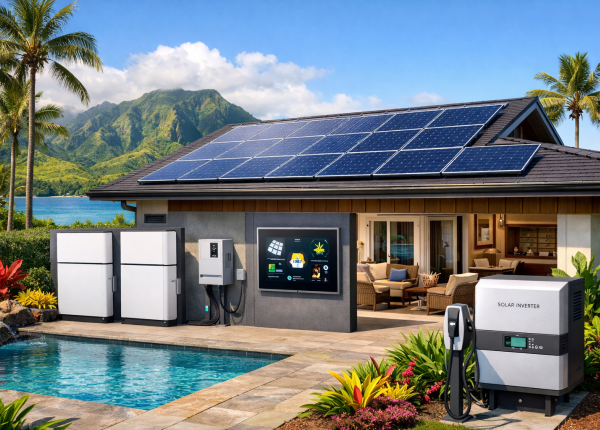
When energy is needed, hydrogen can be converted back into electricity using fuel cells. This is where concepts like a home fuel cell generator or hydrogen electricity generator for home come into play.
System Integration and Control
Hydrogen systems integrate with solar, batteries, and electrical infrastructure through professional electrical services to ensure safe and efficient operation.
This closed-loop process transforms intermittent solar energy into a reliable, on-demand power source.
Hydrogen Solar and Home Energy Applications
While most hydrogen systems today are commercial or community-scale, interest in residential applications continues to grow.
Home-focused concepts include:
- Hydrogen generator for home backup power
- Hydrogen powered generator for home resilience during outages
- Home hydrogen generator systems paired with rooftop solar
- Hydrogen home power solutions for long-duration storage
Although batteries remain the primary residential storage option today, hydrogen offers future potential for homes that require extended backup power or off-grid capability.
Hydrogen systems pair well with efficiency upgrades like energy-efficient air conditioning and solar water heating, further reducing overall energy demand.
Why Hydrogen Solar Matters in Hawaii
Hawaii’s energy environment makes hydrogen solar integration especially valuable.
Energy Independence
Hydrogen reduces reliance on imported fossil fuels by storing locally produced solar energy.
Grid Resilience
Hydrogen storage provides long-duration backup during outages caused by storms or grid disruptions.
Clean Energy Goals
Hydrogen supports Hawaii’s aggressive decarbonization targets by extending the usefulness of solar power.
Environmental Protection
Zero-emission hydrogen helps protect air quality, marine ecosystems, and fragile island environments.
For island grids with limited interconnection, hydrogen adds flexibility that batteries alone may not fully provide.
Real-World Uses of Hydrogen and Solar Integration
Residential & Community Energy Systems
Shared hydrogen storage allows communities to balance solar production and maintain power reliability.
Commercial & Industrial Operations
Facilities with high, continuous energy demand can use hydrogen to store solar power for round-the-clock operation.
Transportation & Mobility
Solar-produced hydrogen can fuel hydrogen-powered vehicles and fleet operations.
Grid-Scale Energy Storage
Utilities use hydrogen as long-duration storage to stabilize renewable-heavy grids.
Each application expands what solar energy can achieve beyond daylight hours.
Common Misconceptions About Hydrogen Solar
- “Hydrogen is inefficient”
While conversion losses exist, hydrogen’s long-term storage value offsets this limitation. - “Batteries make hydrogen unnecessary”
Batteries and hydrogen serve different roles; hydrogen excels at long-duration storage. - “Hydrogen isn’t safe”
Modern systems follow strict engineering and safety standards. - “Hydrogen is only theoretical”
Hydrogen systems are already operating globally at commercial scale.
Understanding these points clarifies hydrogen’s role in modern energy systems.
Hydrogen and Solar: A Long-Term Clean Energy Partnership
Solar power provides clean, abundant electricity. Hydrogen provides the ability to store that energy for the long term. Together, hydrogen solar systems create energy solutions that are resilient, flexible, and future-ready.
For Hawaii, this partnership supports energy independence, grid reliability, and environmental stewardship. Homeowners, businesses, and communities exploring advanced clean energy solutions often work with Alternate Energy Hawaii to design integrated systems that combine proven solar technology with next-generation energy storage.
As technology evolves, hydrogen solar integration will play an increasingly important role in the future of clean energy.
Frequently Asked Questions About Hydrogen Solar
What is hydrogen solar energy?
It’s the integration of solar power with hydrogen production and storage to provide clean, long-duration energy.
Can hydrogen power a home?
Hydrogen-powered home generators exist, but most systems are currently commercial or community-scale.
Is hydrogen better than batteries?
Hydrogen complements batteries by providing longer storage durations, not replacing them.
Is hydrogen solar practical in Hawaii?
Yes. Hawaii’s solar resources and energy goals make it an ideal environment for hydrogen integration.
Does hydrogen energy produce emissions?
When produced using renewable electricity, hydrogen generates zero carbon emissions.