Solar Energy’s Role in a Net Zero World
Why Solar Energy Is Central to a Net Zero Future
Achieving a net zero future, where carbon emissions are balanced by clean energy production, depends largely on how electricity is generated. Power production remains one of the largest sources of emissions worldwide, which is why net zero solar energy strategies are now central to climate planning and energy policy.
In Hawaii, the connection between solar energy and net zero goals is especially strong. The state has historically relied on imported fossil fuels, resulting in high electricity costs and elevated emissions. At the same time, Hawaii has one of the strongest solar resources in the country, making solar energy net zero solutions both practical and achievable today.
Solar is no longer a future technology. From residential rooftops to commercial facilities, net zero solar panels are already helping properties reduce emissions while gaining long-term energy stability.
What Net Zero Means in the Context of Energy
Net zero refers to balancing the energy consumed with clean, renewable energy production so that overall emissions are reduced to zero. In practice, a net zero solar system produces enough electricity over the course of a year to offset what a home or business uses from the grid.
A successful net zero strategy typically includes:
- On-site renewable generation, primarily solar
- Energy efficiency improvements to reduce demand
- Electrification of systems previously powered by fossil fuels
- Energy storage and smart controls to maximize clean energy use
Solar plays a central role because it directly replaces carbon-based electricity at the point of consumption, reducing reliance on fossil fuels.
The Role of Solar in Net Zero Strategies
Replacing Fossil-Fuel Electricity With Clean Power
Solar panels generate electricity without combustion or emissions. Every kilowatt-hour produced by a solar system replaces power that would otherwise come from oil or gas-fired generation. This direct displacement is the foundation of solar and net zero emissions reduction.
Modern photovoltaic systems allow homes and businesses to generate clean electricity throughout the day, lowering both emissions and utility dependence.
Supporting Net Zero Homes and Buildings
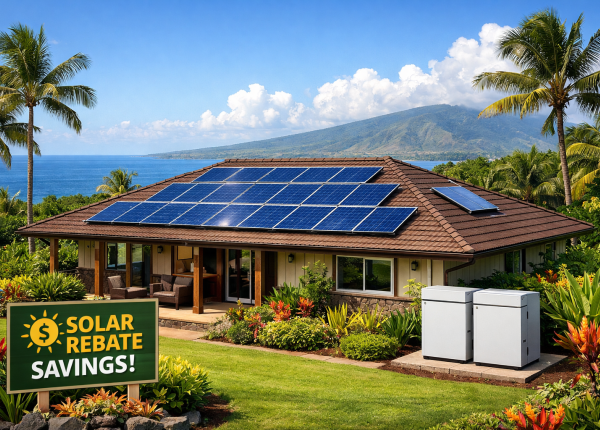
A property reaches net zero when its annual solar production offsets its total energy use. In Hawaii, many homes are already approaching this goal by combining solar with efficient appliances and smart usage habits.
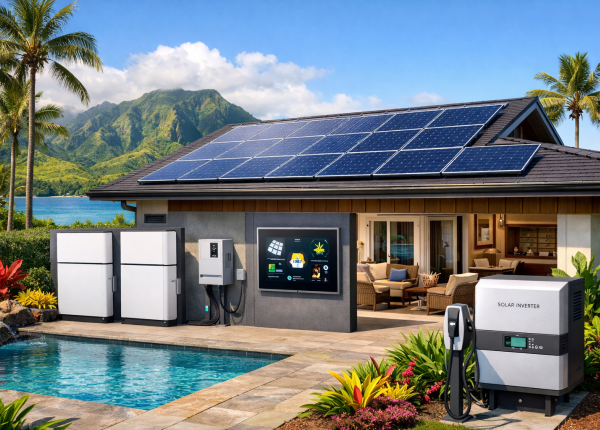
Pairing solar with PV storage solutions allows excess daytime energy to be stored and used at night, reducing grid reliance and increasing resilience.
Using Net Metering and Offset Solar Effectively
Programs such as net metering solar and other grid-interconnection structures allow solar users to export excess energy to the grid and receive credit. While policies vary, these programs support offset solar strategies by helping balance production and consumption over time.
Even where traditional net metering is limited, battery storage and load management enable solar systems to offset energy use effectively and maintain progress toward net zero.
Expanding Solar’s Impact Beyond Electricity
Solar energy supports more than just power generation. It enables electrification across multiple systems, including:
By powering these systems with solar, properties further reduce emissions and move closer to full net zero operation.
Why Net Zero Solar Matters Especially in Hawaii
Hawaii’s geography and energy landscape make net zero solar solutions uniquely effective.
Consistent Sunlight
Year-round solar exposure allows solar systems to produce reliably, supporting stable energy planning.
High Utility Rates
Solar offsets some of the highest electricity costs in the nation, delivering immediate financial benefits alongside environmental gains.
Statewide Clean Energy Goals
Hawaii’s renewable energy mandates make solar a cornerstone of long-term compliance and progress.
Environmental Protection
Reducing emissions helps protect air quality, ocean ecosystems, and fragile island environments.
Together, these factors position Hawaii as a leader in the future of net zero solar adoption.
Real-World Applications of Net Zero Solar Energy
Residential Properties
Homeowners use solar panels, storage, and efficiency upgrades to stabilize costs and approach net zero consumption.
Commercial Buildings
Businesses install solar to reduce operating expenses while meeting sustainability and ESG commitments.
Whole-Property Integration
Comprehensive projects often include electrical services and roofing solutions to ensure solar systems perform optimally for decades.
Across these applications, solar serves as the backbone of net zero energy strategies.
Common Misconceptions About Solar and Net Zero
Some misconceptions slow adoption unnecessarily.
- Solar alone cannot support net zero
In reality, solar is the primary driver when paired with efficiency and storage. - Net zero solar systems are too expensive
Costs have declined significantly, and long-term savings often outweigh upfront investment. - Solar is unreliable
Storage, smart inverters, and grid coordination address variability effectively. - Only new buildings can achieve net zero
Existing homes and businesses can retrofit successfully with modern solar technology.
Understanding these realities helps accelerate the transition.
Solar as the Foundation of a Net Zero Future
The path to net zero is built one system at a time, and solar remains the most accessible and scalable solution available today. The role of solar in net zero planning is not optional, it is foundational.
By combining solar generation, storage, efficiency, and electrification, properties can dramatically reduce emissions while gaining control over long-term energy costs. Many Hawaii residents and businesses partner with Alternate Energy Hawaii to design solutions that support net zero goals now and adapt to the future.
Frequently Asked Questions About Net Zero Solar
What is net zero solar?
Net zero solar refers to using solar energy to produce enough clean electricity to offset a property’s annual energy use.
How do net zero solar panels work?
They generate electricity during the day, offsetting grid use and reducing emissions across the year.
Does net metering help with net zero?
Yes. Net metering and similar programs help balance production and consumption, though batteries now play a larger role.
Can solar fully offset emissions?
In many cases, yes. When paired with efficiency and electrification, solar can eliminate most operational emissions.
What is the future of net zero solar?
Continued cost reductions, improved storage, and smarter energy management will make net zero solar systems increasingly common.